

One of the most critical components of sustainable development is the optimization of resource use and the minimization of waste.
| Writer: Tran Thanh An Anna
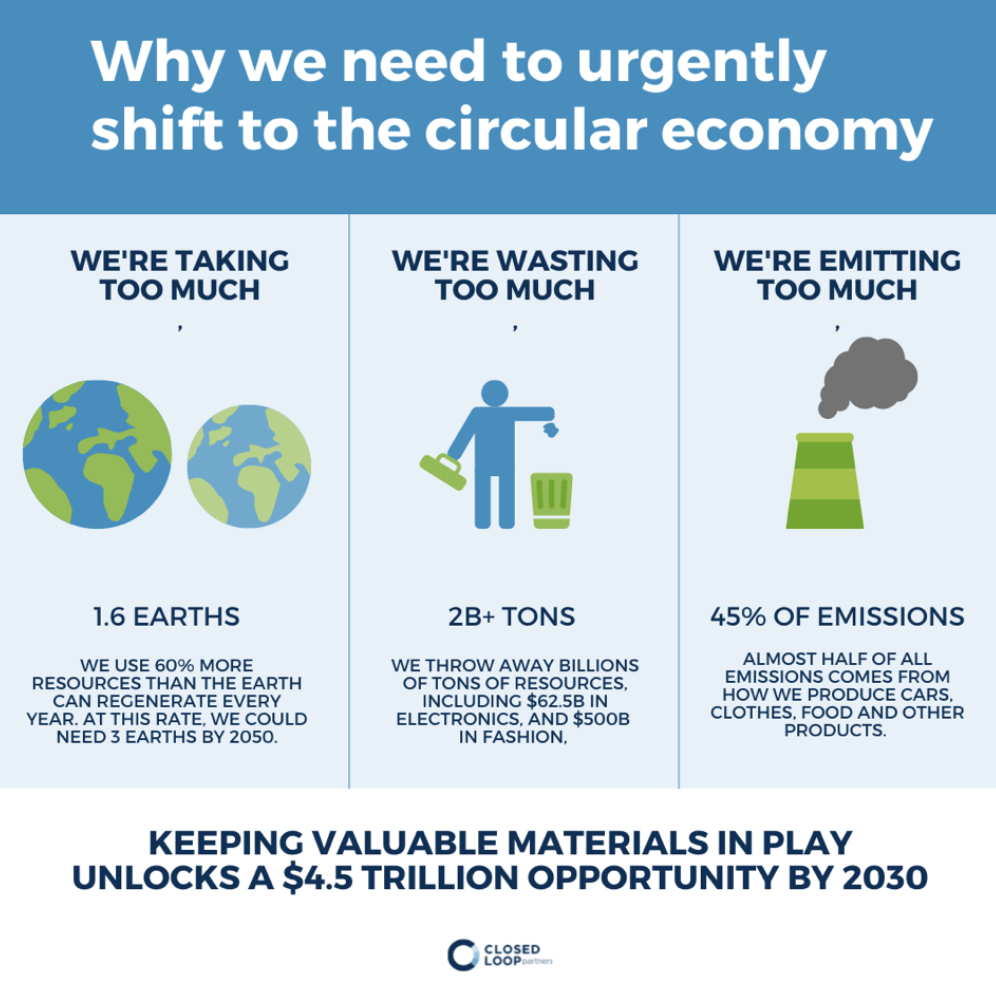
In recent years, the concept of the circular economy has gained increasing global attention, however, tangible progress in practice has remained limited. According to the 2024 report by Circle Economy, the global circularity metric currently stands at only 7.2%, compared to 9.1% in 2018, representing a relative decline of 21%.
Alarming Data: From Materials to Waste
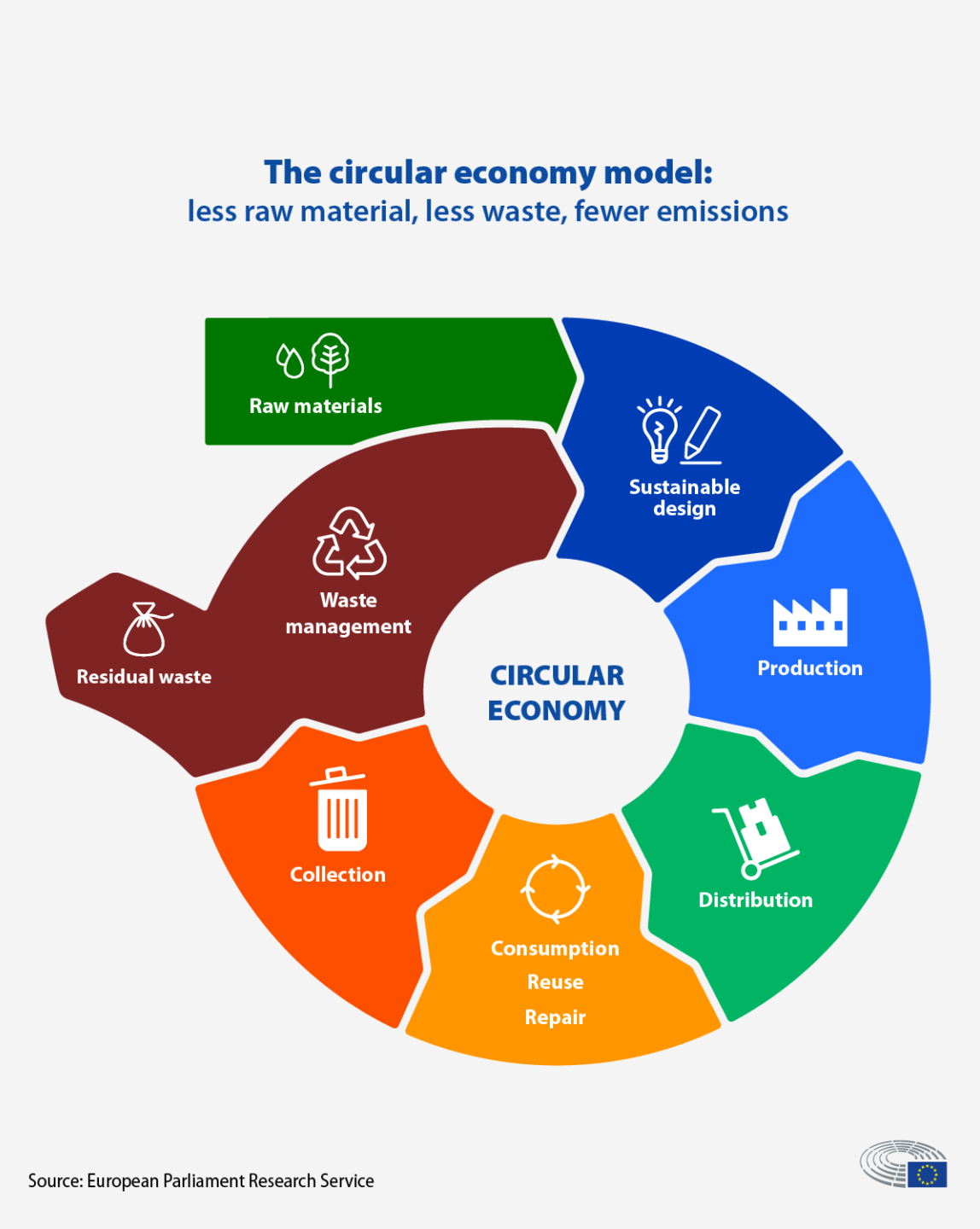
The growth rate of both waste generation and material consumption is alarming: over the past five years, more than 500 gigatonnes of materials have been consumed globally, accounting for 28% of all materials used by humanity since 1900. In light of this, the transition toward an economic model in which product life cycles are extended, waste is transformed into valuable secondary raw materials, and recycling becomes not merely an obligation but an economic imperative, has become unavoidable.
Circularity in Numbers
The three pillars proposed by the Circularity Gap Report 2024 — unlocking capital, establishing robust policy frameworks, and developing skills — may play a key role in ensuring that the circular economy evolves from a theoretical concept into a practical reality. Without capital mobilization, technological innovations, recycling infrastructure, and digital traceability systems cannot develop at the required pace. Strong policy frameworks help market participants formulate long-term sustainability strategies, while skills development ensures that the workforce is adequately prepared and motivated to participate in the transition.
Competitiveness AND Sustainability
The key to success lies in coordinated action: an increasing number of countries and corporations worldwide recognize that economic competitiveness and sustainability are not mutually exclusive objectives. Europe is particularly prominent in this regard: the EU’s sustainable product design directives support the development of products with longer lifespans, improved reparability, and measurable environmental impacts, while the objectives defined under the EU Green Deal project the transformation of the entire ecosystem. Regulations such as the Packaging and Packaging Waste Regulation (PPWR) and the Critical Raw Materials Act not only establish targets but also introduce quotas, deadlines, and support mechanisms that are already exerting a tangible influence on the future of industry.
Good Practices and Results
The corporate sector has also delivered noteworthy achievements. Siemens’ zero-waste program resulted in a 70% reduction in waste generation and annual savings exceeding one million dollars. Seven out of Google’s 23 data centers have already achieved zero landfill waste status, and since 2014 the company has diverted more than 4.5 million kilograms of food waste from landfills. Nike integrates circular design principles into its product development processes, thereby striving to minimize raw material consumption.
Reparability
Significant progress has also been made in the reparability of products. In 2021, France introduced the Repairability Index, which evaluates the reparability of electronic devices on a scale from 1 to 10, thereby preparing both consumers and manufacturers for more sustainable product usage. An innovative example is the Osiris modular kettle designed by British student Gabriel Kay, which users can repair themselves.
Local Solutions in Sustainable Resource Management
Waste minimization and material circularity can also be implemented at the local level. The city of San Jose has achieved a 74% waste diversion rate, while in Leuven, Belgium, the recycling of construction waste has led to the emergence of genuine urban mining practices. These examples demonstrate that sustainable resource management is not merely a principle, but a practical and achievable solution.
The circular economy is not only an environmental necessity but also an economic interest. Waste is not inevitable; rather, it is the product of a poorly designed system. As the Ellen MacArthur Foundation states: “the economy of the future will be based not on waste generation, but on value preservation.”